Two-Generation Initiative

wave

Two-Generation Initiative

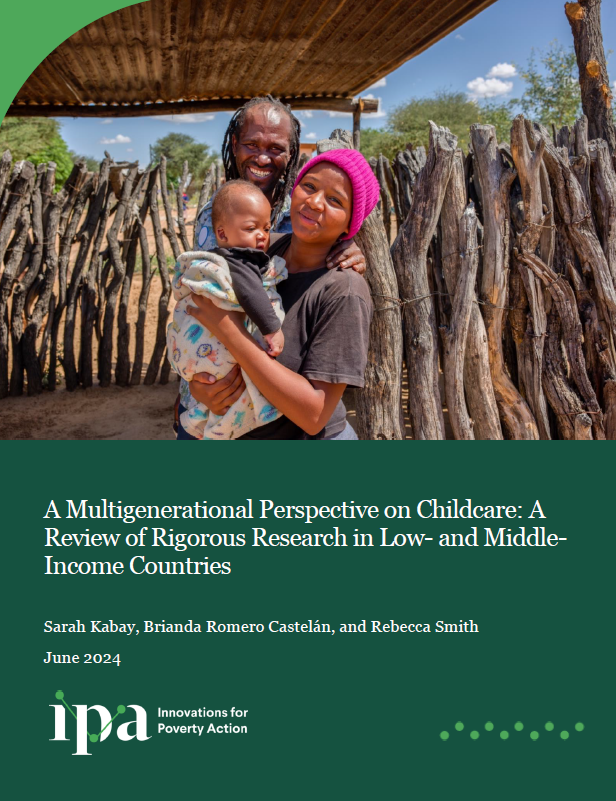
In this image Parents pose for a photo with their child. © 2023 Lucian Coman/Shutterstock.com
wave

The lives of young children and their caregivers are intimately linked, but interventions and research typically address their needs separately. This might be a key limitation of efforts to meaningfully and sustainably improve outcomes for young children and the adults who care for them, especially those experiencing severe adversity. Two-generation approaches, holistic in nature, intentionally target the interconnectedness between young children and their caregivers. IPA’s Two-Generation Initiative supports implementing organizations and policymakers to generate and use data and evidence to strengthen implementation and make programming and policy more impactful for both young children and their caregivers. As the number of forcibly displaced people reaches and surpasses record highs, our Two-Generation Initiative includes a focus on the experiences and dynamics of displaced households and families, as well as the communities and countries that host them.

We are grateful for the partnership with the Conrad N. Hilton Foundation in this work.

If you are interested in learning more or partnering with IPA on this work, please contact two-generation@poverty-action.org and we will be in touch. 

Equipping Implementing Organizations to Use Data and Evidence

We are partnering with several local, refugee-led, and international organizations in Uganda, Colombia, and Ecuador to improve their programs; strengthen their monitoring, evaluation, and learning capacities; and progress their interventions thoughtfully and efficiently towards scale.

Read More

Supporting Policymakers to Interpret, Generate, and Use Evidence

We are equipping local, national, and global policymakers with data, evidence, and technical assistance to improve the lives of refugees, migrants, and host communities in Ecuador, Colombia, and Uganda. We are generating new evidence, using existing data and research to inform ongoing policy decisions, and strengthening the capacity of key institutions to design and test interventions and learn from them through our policy partnerships. 

Read More
wave

Our Resources

Thumbnail image of the first page of the learning agenda PDF

BRAC Learning Agenda

IPA has served as the Learning Partner for BRAC's Early Childhood and Graduation (ECG) project, a two-generation approach for supporting young children and their caregivers in refugee and host communities in Uganda. This Learning Agenda summarizes relevant evidence on the Graduation and Humanitarian Play Lab interventions and documents the consultations and workshops with BRAC that were used to develop the agenda. It also describes the prioritized research questions and potential learning activities planned for the project. While the specific activities of the project have changed over time, this Learning Agenda documents the initial vision for the project.

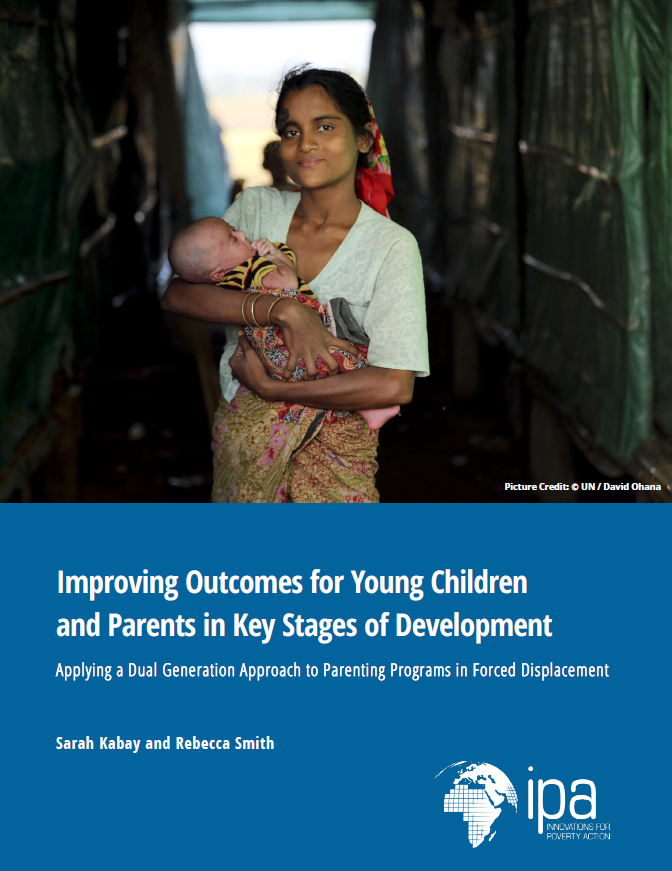
Screenshot of front cover page of evidence review publication

Improving Outcomes for Young Children and Parents in Key Stages of Development

This evidence review provides actionable insights into policy and practice to improve outcomes for forcibly displaced children aged 0-3 and their caregivers. We review the literature on parenting programs, interventions that aim to improve early childhood development outcomes by building parenting skills and knowledge and improving parent-child interactions. We also use two-generation theory to explore how such programs could be enhanced by considering other outcomes for caregivers beyond parenting and the unique situation of adolescent caregivers.

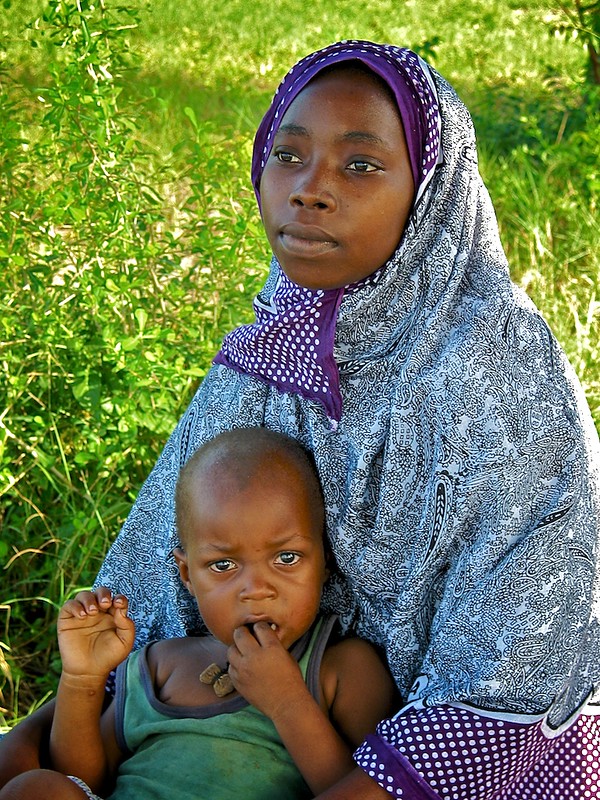
A mother and her child in Bagayomo, Tanzania © 2003 Michael Foley

Incorporating a Two-Generation Approach into a Refugee Parenting Program in Tanzania 

IPA partnered with the International Rescue Committee (IRC) to adapt, implement, and study a parenting program in refugee and host communities in Tanzania in order to incorporate a 'two-generation' approach—whereby the program developed a stronger focus on the needs and perspectives of parents themselves, in addition to those of their young children. Learn more here.