IPA’s Two-Generation Initiative is currently supporting refugee-led, locally-led, and international organizations to strengthen their monitoring, evaluation, and learning (MEL) systems to improve the delivery of their two-generation programs. These improvements are ultimately intended to enhance outcomes for caregivers and young children in refugee and host community households.
We provide support in two ways:
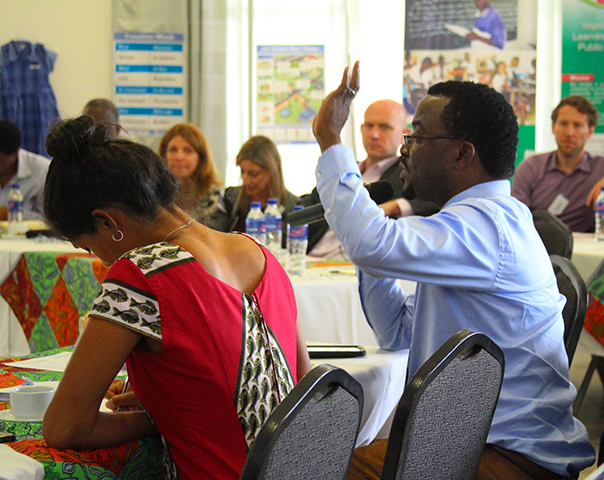
- First, we develop and implement an incubator workshop that fosters connection, engagement, and insight sharing among participants. The workshop helps participants to refine their theories of change and identify critical learning questions with a particular focus on two-generation programming.
- Second, we create tailored learning partnerships with each organization to develop a MEL approach that fits their needs and is grounded in a two-generation framework. This support includes refining learning agendas, addressing gaps in existing MEL systems, and providing technical support to teams to overcome their MEL challenges in their learning cycle from design, data collection, use and adaptation as they refine their programs.
See a description of our learning partnerships in Colombia, Ecuador, and Uganda below.

Colombia
| aeioTU trains women in migrant communities to become home-based childcare providers, offering them pedagogical and business training, along with formalization support and seed capital. IPA is supporting aeioTU to measure how these components may contribute to caregiver business sustainability and child development outcomes. |  | 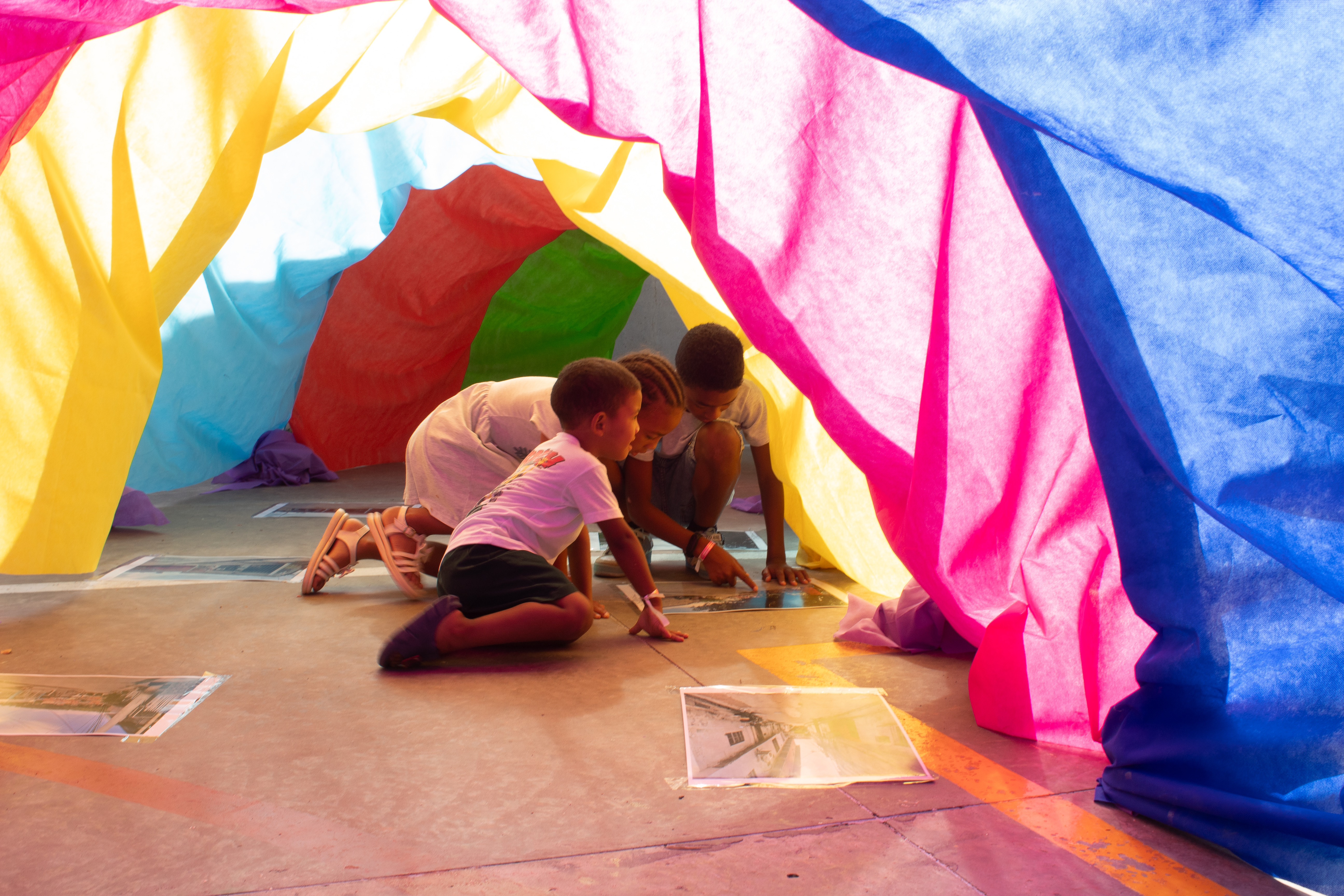 |
| Corprodinco provides livelihoods training, psychosocial support, gender-based violence prevention, and early childhood services to migrant women facing displacement. IPA is supporting the organization to adapt its learning questions and assessment tools for adverse migration, armed conflict and extreme poverty contexts. |  | 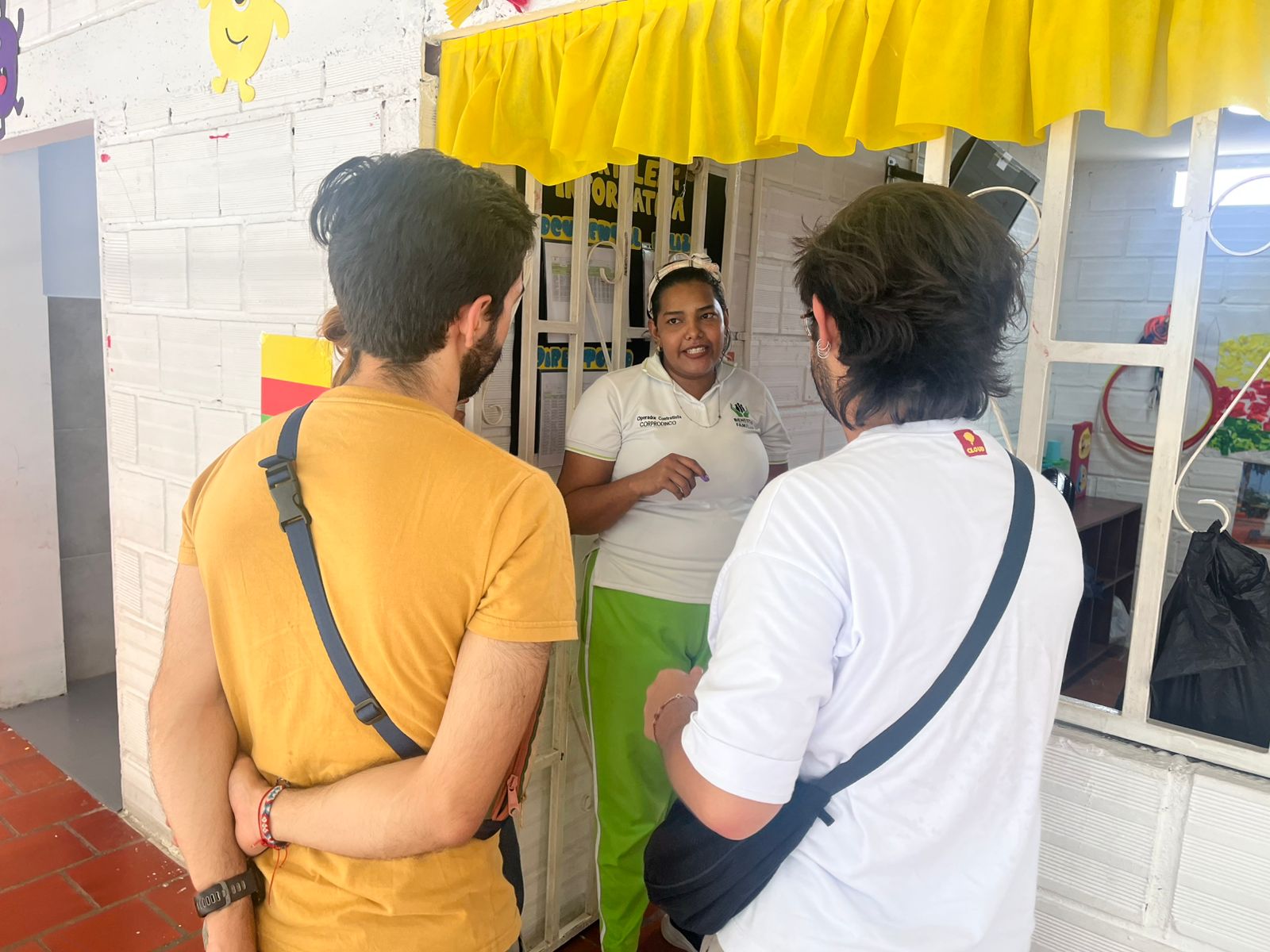 |
| Fundación Juanfe is a Colombian nonprofit that works to improve opportunities for vulnerable young women. One of its initiatives, Transformemos Sin Fronteras, supports Venezuelan migrant women through a holistic intervention that combines psychosocial support, soft skills workshops, vocational training, job-readiness preparation, and access to childcare and early childhood development services. IPA supports Fundación Juanfe by strengthening its monitoring and learning approach, helping define meaningful indicators, systematize learning, and use data to inform program and strategic decisions. |  | 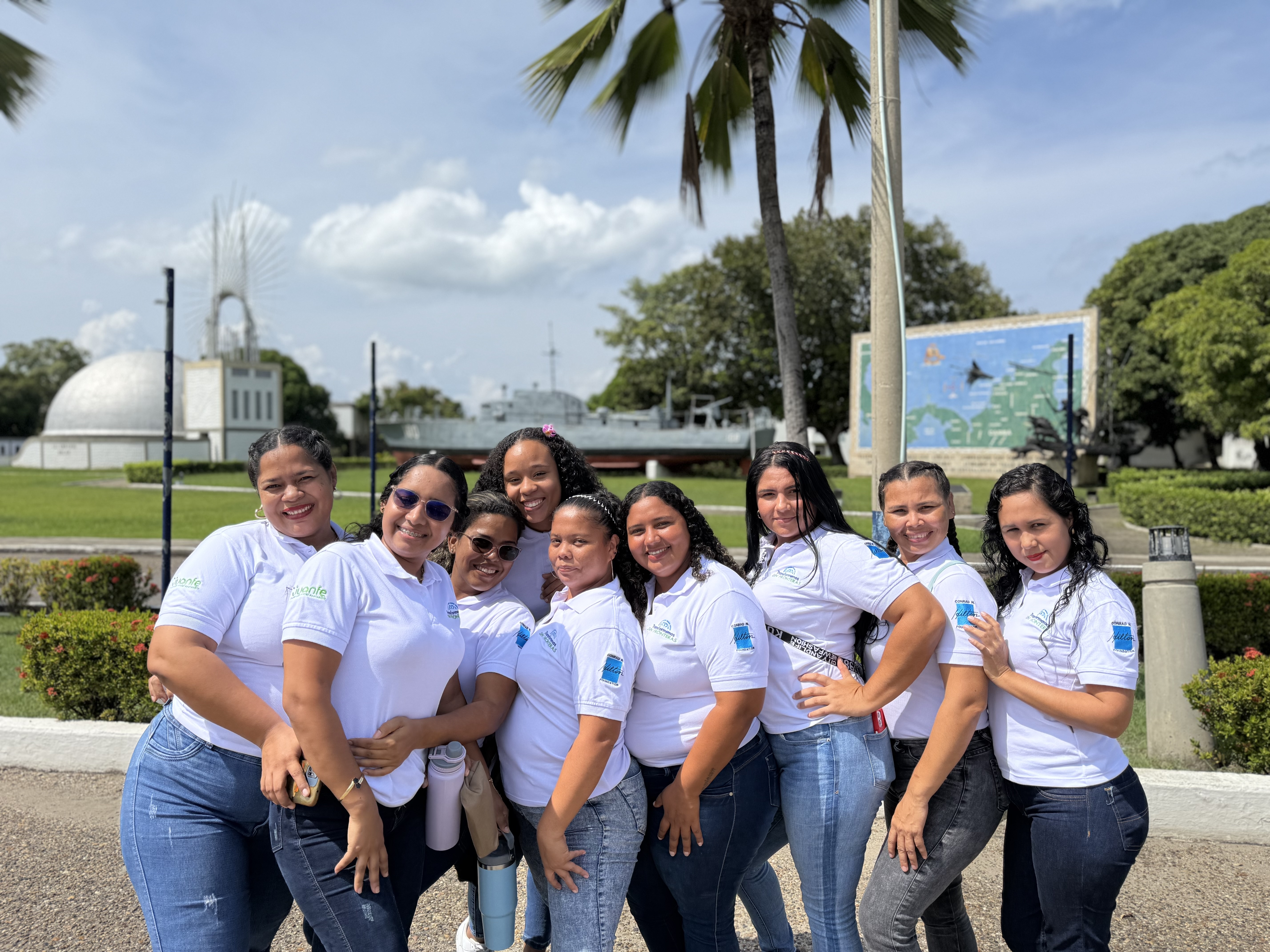 |
| Juntos se Puede is a refugee-led organization that supports Venezuelan migrant women through livelihoods training, childcare spaces, mental health services, and education. IPA is supporting Juntos se Puede to use data to understand how these integrated services might work together to reduce vulnerability for mothers and children. |  | 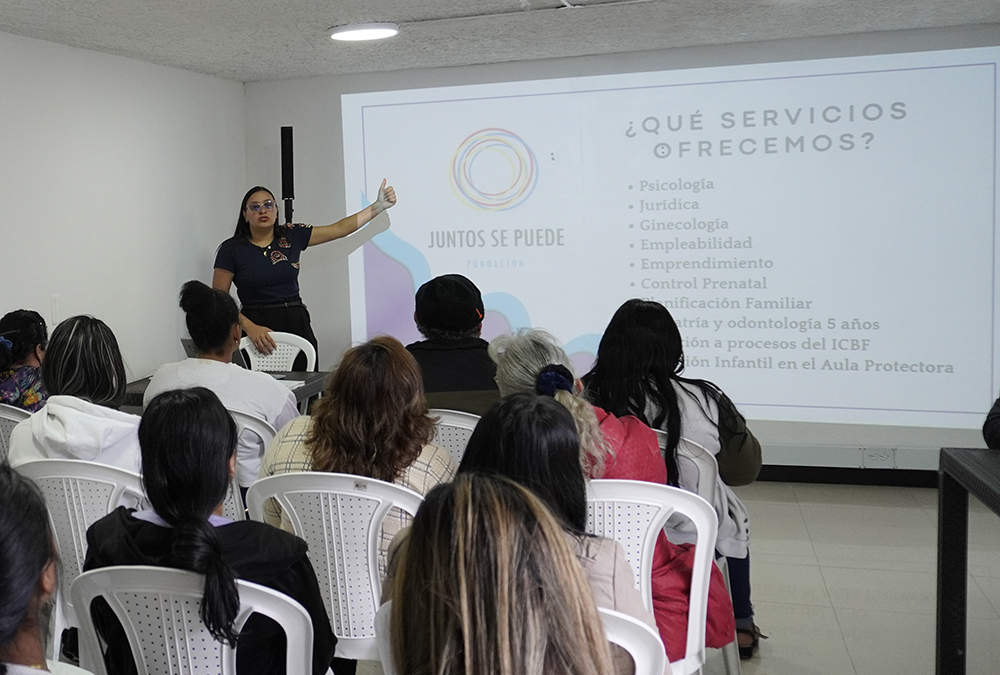 |
Ecuador
| FUDELA is an Ecuadorian nonprofit organization focused on human development and improving the well-being of vulnerable families. The ADN (Aprendiendo Desde Niños) program supports early childhood development through a comprehensive early stimulation model that targets children aged 0 to 5 years from vulnerable host community and migrant families, while also offering livelihood opportunities for families. The program adopts a two-generation approach, addressing both children and their parents or primary caregivers. ADN delivers services through early childhood stimulation spaces and home visits, fostering cognitive, language, socio-emotional, and psychomotor development, while strengthening positive parenting practices through training and continuous support. The program also promotes income-generation opportunities for caregivers through seed capital and conditional cash transfers, contributing to improved household well-being and enabling environments for child development. IPA supports FUDELA to identify what is working and where improvements are needed, and generates evidence to refine and strengthen the ADN model as it scales. |  | 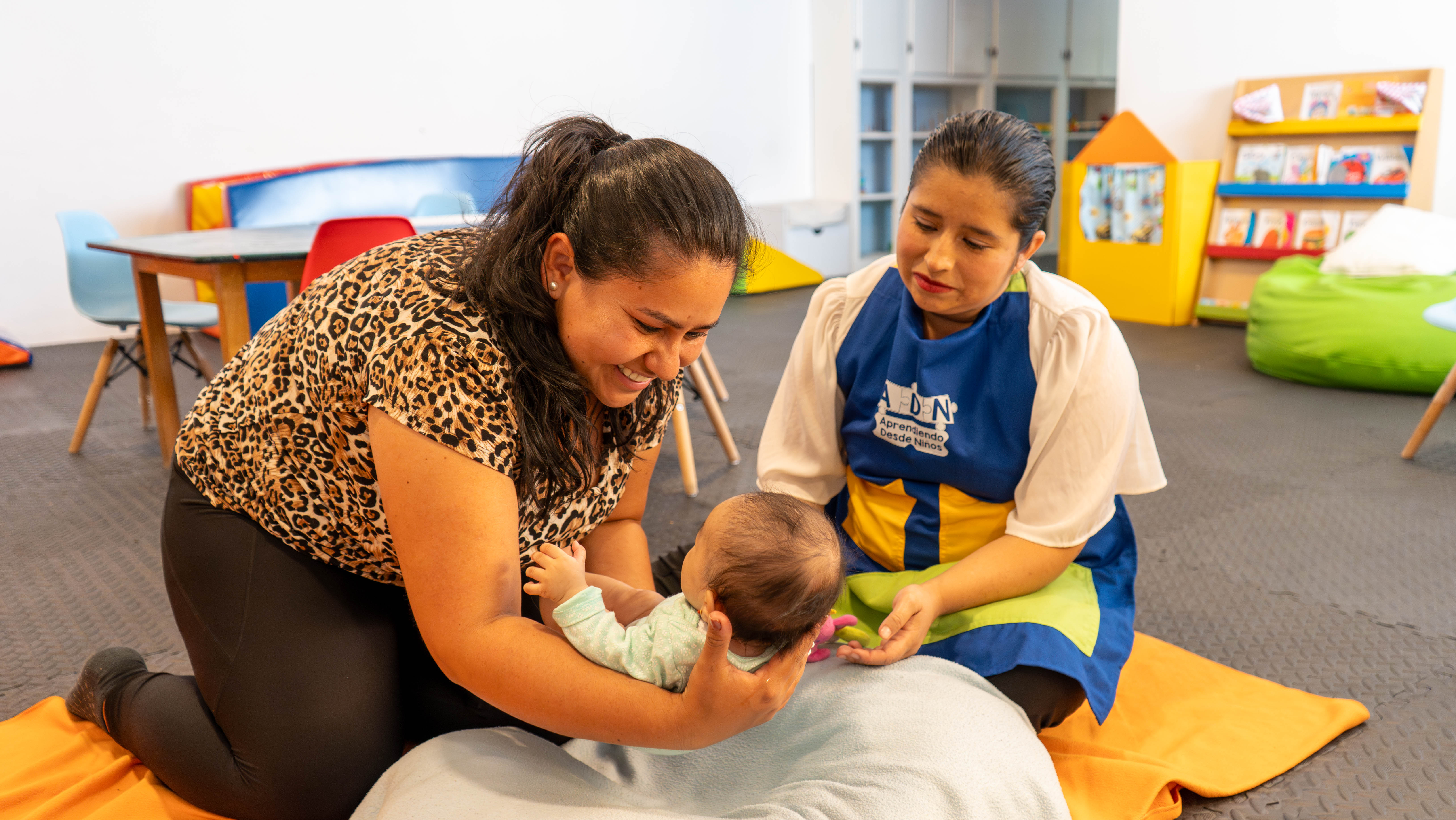 |
Uganda
| African Youth Action Network (AYAN) is a refugee-led organization that operates play-and-learning centers for young children alongside entrepreneurship and agricultural support for caregivers in refugee settlements and host communities in Uganda. IPA is supporting AYAN to develop practical tools to track child development and connect findings to program decisions. |  | 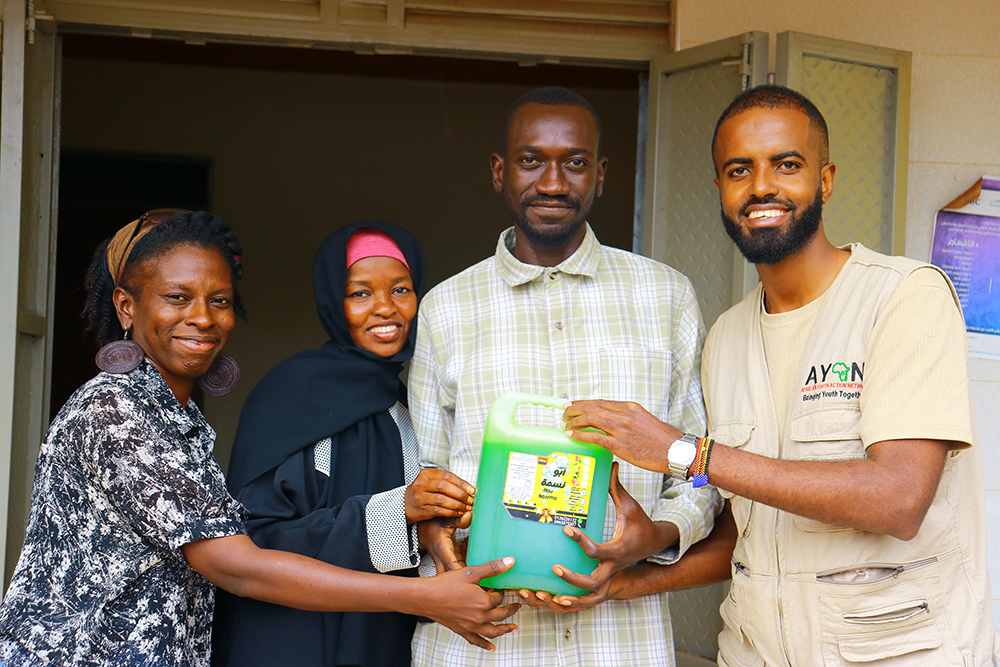 |
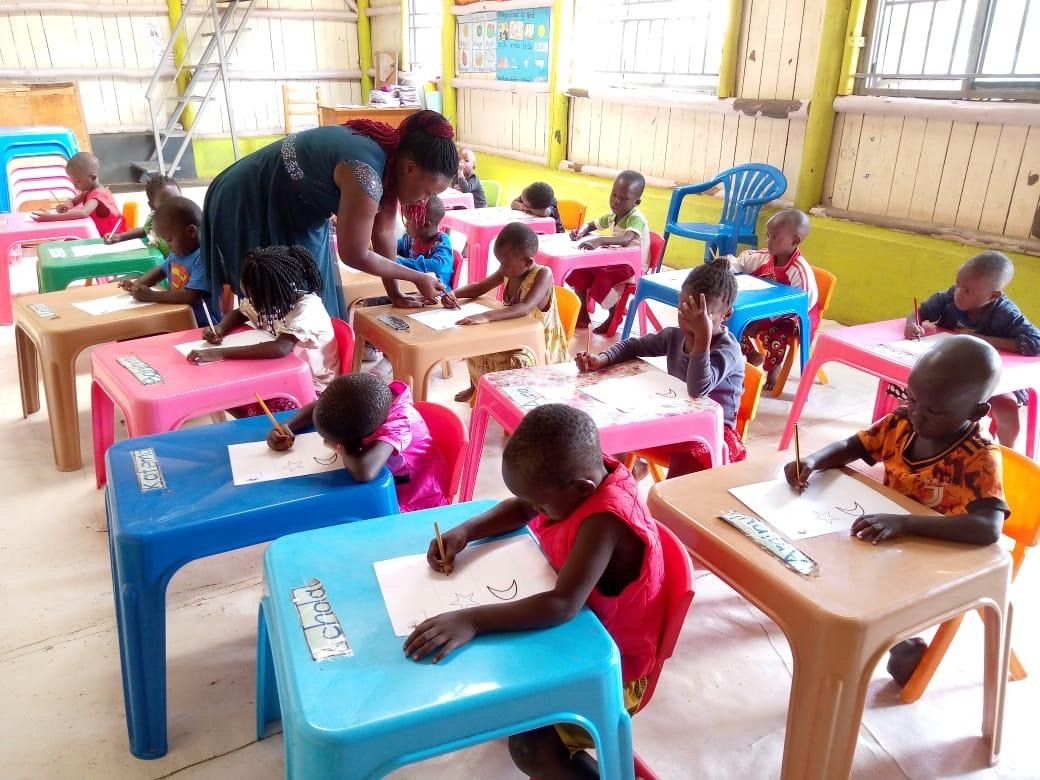
BRAC leads the Early Childhood and Graduation (ECG) project, for which IPA is a learning partner. The ECG project is a two-generation approach for supporting young children and their caregivers in refugee and host communities in Uganda. For the first time, BRAC implemented its Ultra-Poor Graduation program with households that have a child attending a BRAC play lab. A Learning Agenda was developed in 2022 at the start of the project. It summarizes relevant evidence on the Graduation and humanitarian play lab interventions, documents the consultations and workshops with BRAC that were used to develop the agenda, and describes the prioritized research questions and potential learning activities planned for the project. The continued collaboration has included an intensive time use observation study, a descriptive study exploring the connection between caregiver mental health and child development, qualitative interviews with frontline staff, additional workshops with BRAC team members and a randomized controlled trial (RCT), with results forthcoming.
|  |  |
| Literacy and Adult Basic Education (LABE) supports community-owned home-based learning centers where caregivers and parents facilitate play-based learning sessions for children aged 0-6 years, while supporting their sustainability through village savings groups and micro-enterprise activities. IPA is supporting LABE to strengthen its measurement systems in preparation for rigorous external evaluation of its programming. |  | 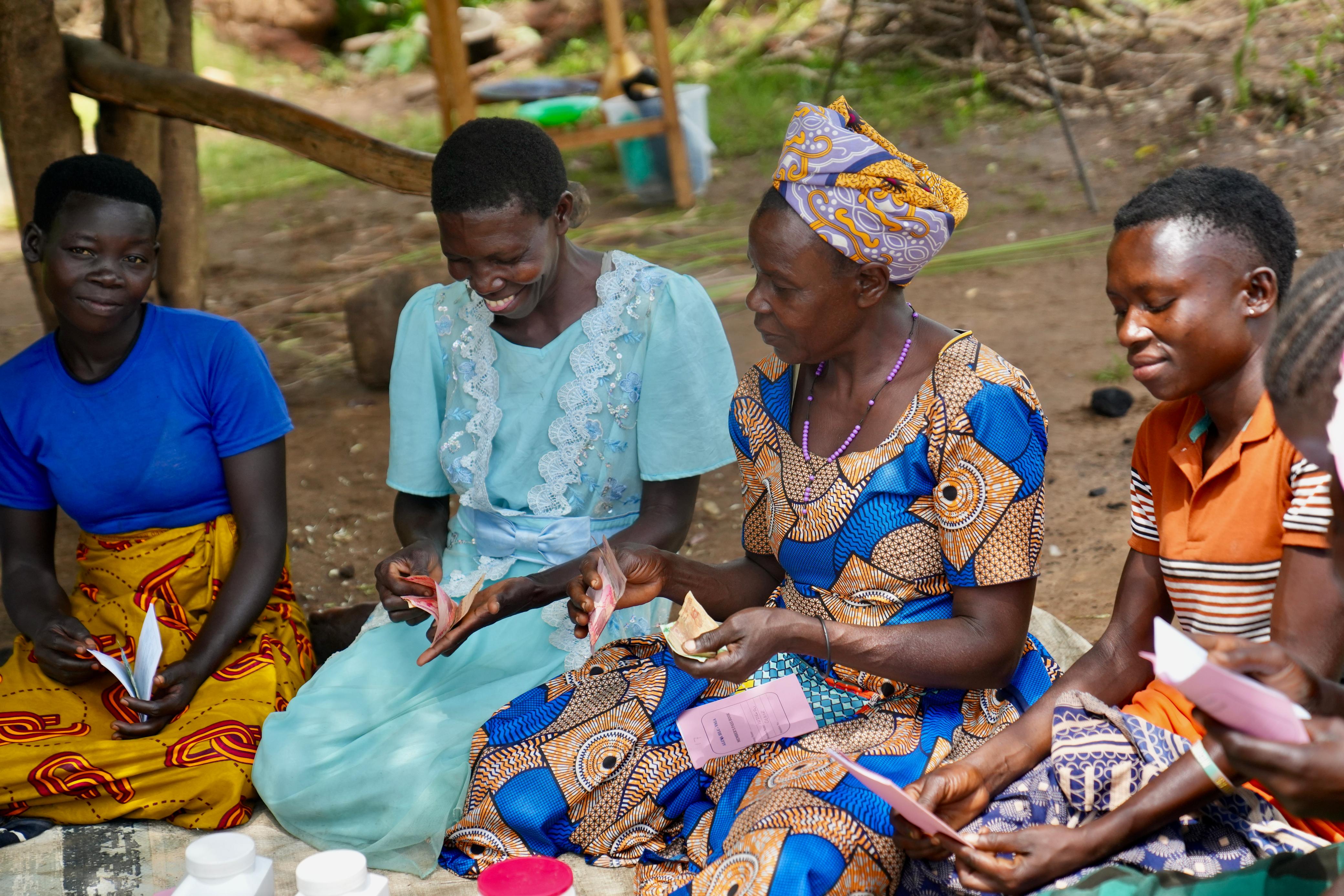 |
| Local Coalition Accelerator (LCA) Uganda is a coalition of 12 local and national organizations in Uganda that design and implement development and humanitarian programs. Their two-generation project focuses on childhood development, nutrition support, and caregiver livelihoods programming in Kampala and surrounding districts. IPA is supporting LCA to build systematic approaches to monitor implementation quality and use data for continuous improvement. |  | 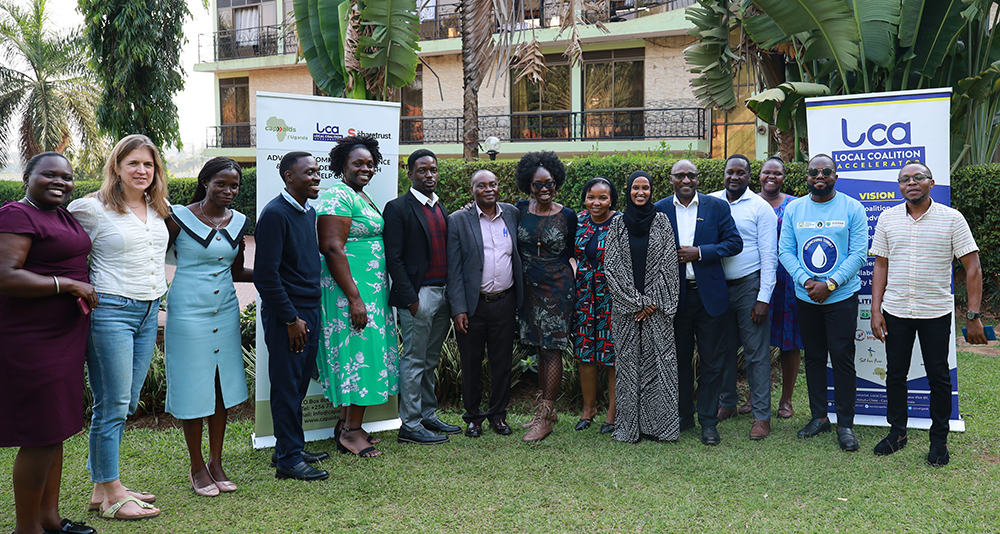 |
| Transcultural Psychosocial Organisation (TPO) Uganda delivers parenting education, mental health services, and livelihood support to improve the well-being of children aged 0–5 years in refugee and host communities in Kiryandongo District. IPA is supporting TPO to analyze the cost-effectiveness of shorter- and longer-duration integrated parenting-therapy models and to develop early outcome measures of child well-being. |  | 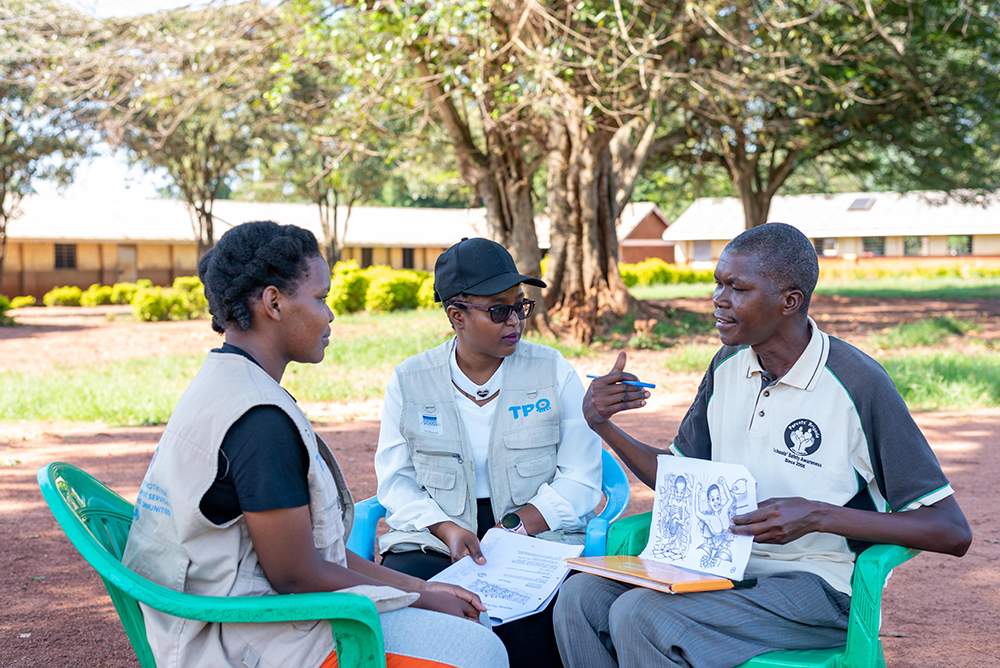 |
| Young African Refugees for Integral Development (YARID) is a refugee-led organization that provides vocational training, startup capital, and childcare spaces for refugee women and youth in Uganda. IPA is supporting YARID to digitalize its data collection, refine its MEL plan, and build capacity for structured learning reviews. |  | 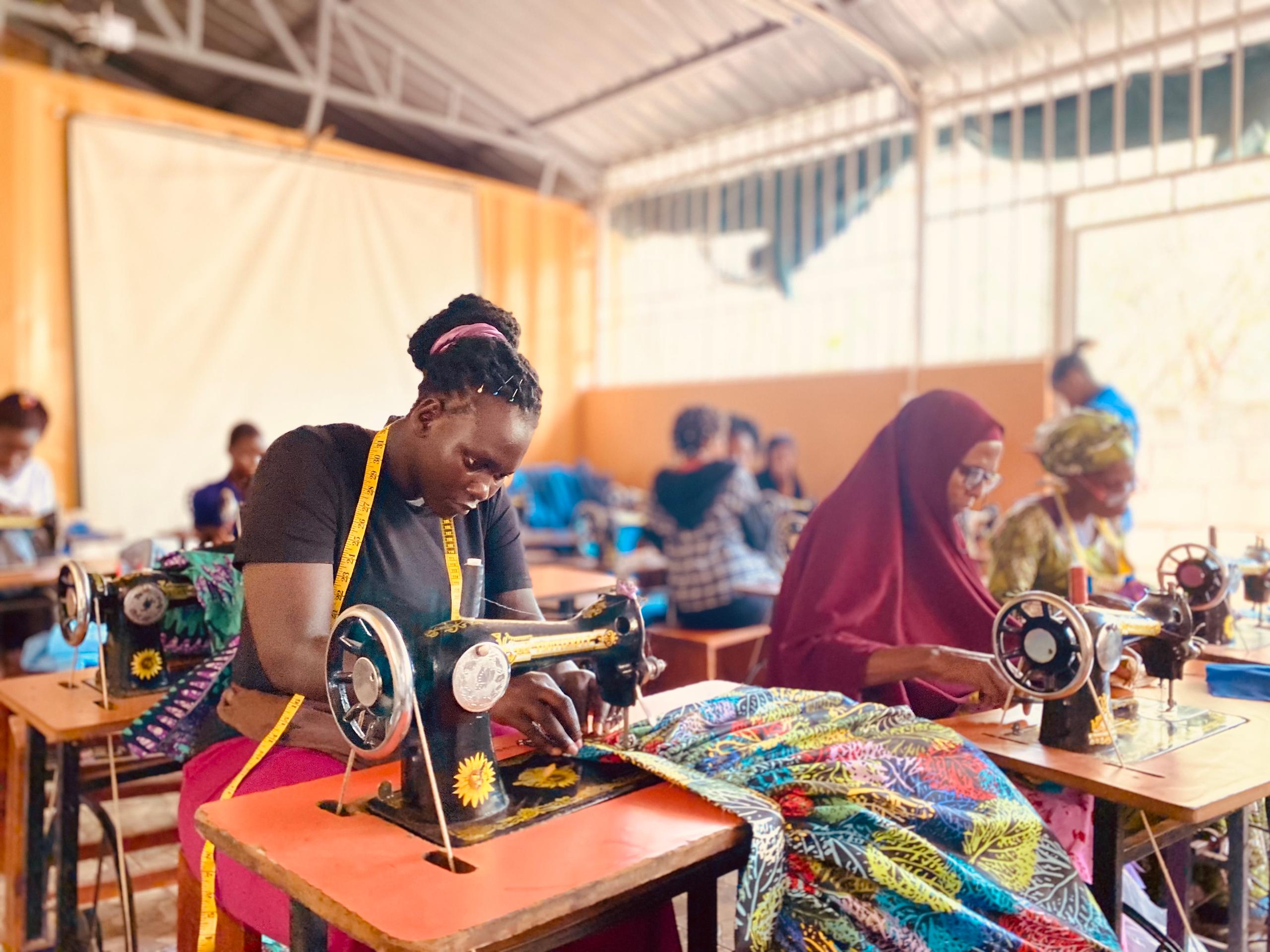 |