Co-sponsored by Innovations for Poverty Action, Fundação Getulio Vargas, CAF – Development Bank of Latin America, and the Latin American and Caribbean Economic Association (LACEA)
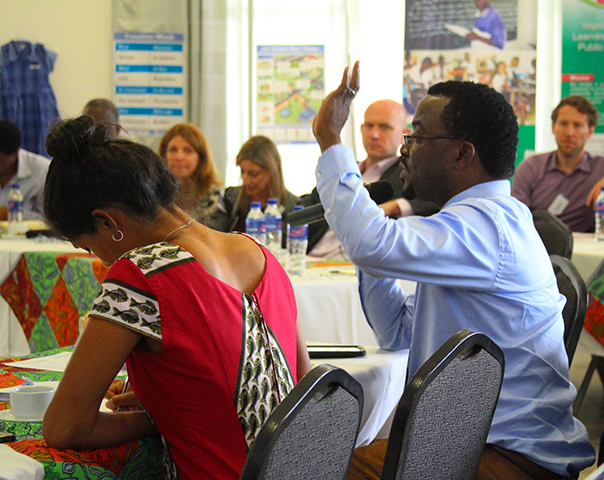
IPA co-sponsored the 15th Annual Meeting of the America Latina Crime and Policy Network (Al Capone) 2026, held in Rio de Janeiro on May 28-29, 2026, together with the Fundação Getulio Vargas, CAF – Development Bank of Latin America and the Caribbean, and the Latin American and Caribbean Economic Association (LACEA). The meeting brought together researchers working on public security in Latin America.
On the second day of the conference (May 29), IPA's Peace & Recovery Program organized a panel discussion on the use of mano dura approaches to reducing crime and violence. In this panel, researchers Joana Monteiro (Fundação Getulio Vargas), Michael Weintraub (Universidad de Los Andes), and Carlos Schmidt-Padilla (University of California at Berkeley), who actively work on security policy in the region, highlighted findings from recent impact evaluation studies in Brazil, Colombia, and El Salvador on the use of mano dura approaches to reducing homicides, violent crime, and territorial control.
The studies featured were:
Following these presentations, Ana Clara Telles, who leads the Security and Rights Opportunity at the Open Society Foundations, facilitated a discussion on how to bridge the gap between policy and research in today’s security and rights context. The panel offered an opportunity to learn about the state of rigorous evidence on mano dura strategies, reflect on the reality of this research, and identify potential solutions to pressing policy challenges while framing the future use of this work to support public safety and democratic practices.