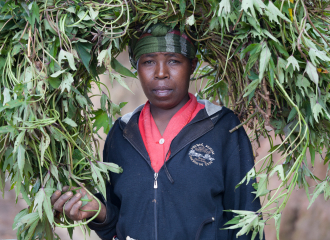
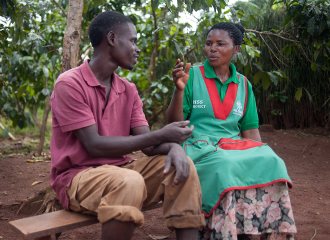
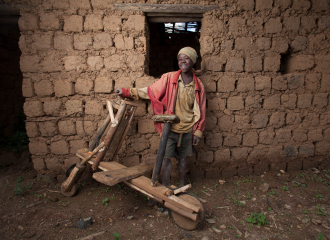
Funded by IPA's Displaced Livelihoods Initiative and in collaboration with UNHCR, researchers are conducting a survey with refugee households just above and below the eligibility cutoff for cash and in-kind transfers to causally identify the effects of aid cuts on welfare and livelihood adaptation strategies.
In the summer of 2023, UNHCR and the World Food Programme (WFP) launched a new policy in Uganda that reduces unconditional cash and in-kind transfers for 1.5 million refugees. This new policy reduces households to either 60 percent or 30 percent of their previous rations, based on their vulnerability score.
In collaboration with UNHCR, researchers are conducting a survey with thousands of refugee households just above the new eligibility cutoff to causally identify the effects of aid cuts on welfare and livelihood adaptation strategies. In doing so, the researchers aim to understand the effects of a dramatic drop in the level of support for refugees. As UNHCR anticipates continuing budgetary cuts in multiple refugee-hosting contexts, IPA will continue to support ongoing research in assessing the impacts of additional aid reductions. This research will inform policymakers on the effects of funding withdrawal as well as contribute to the larger literature on cash transfers and resources for refugees.
Implementing Partner