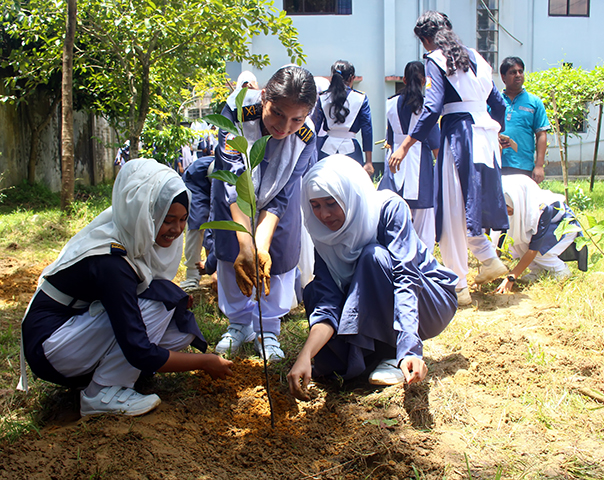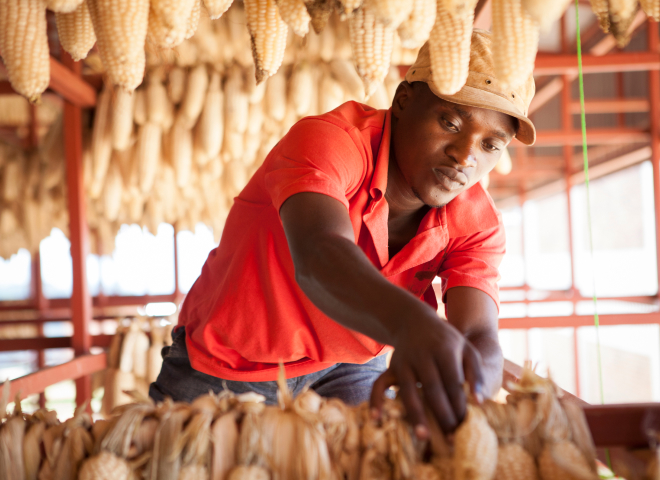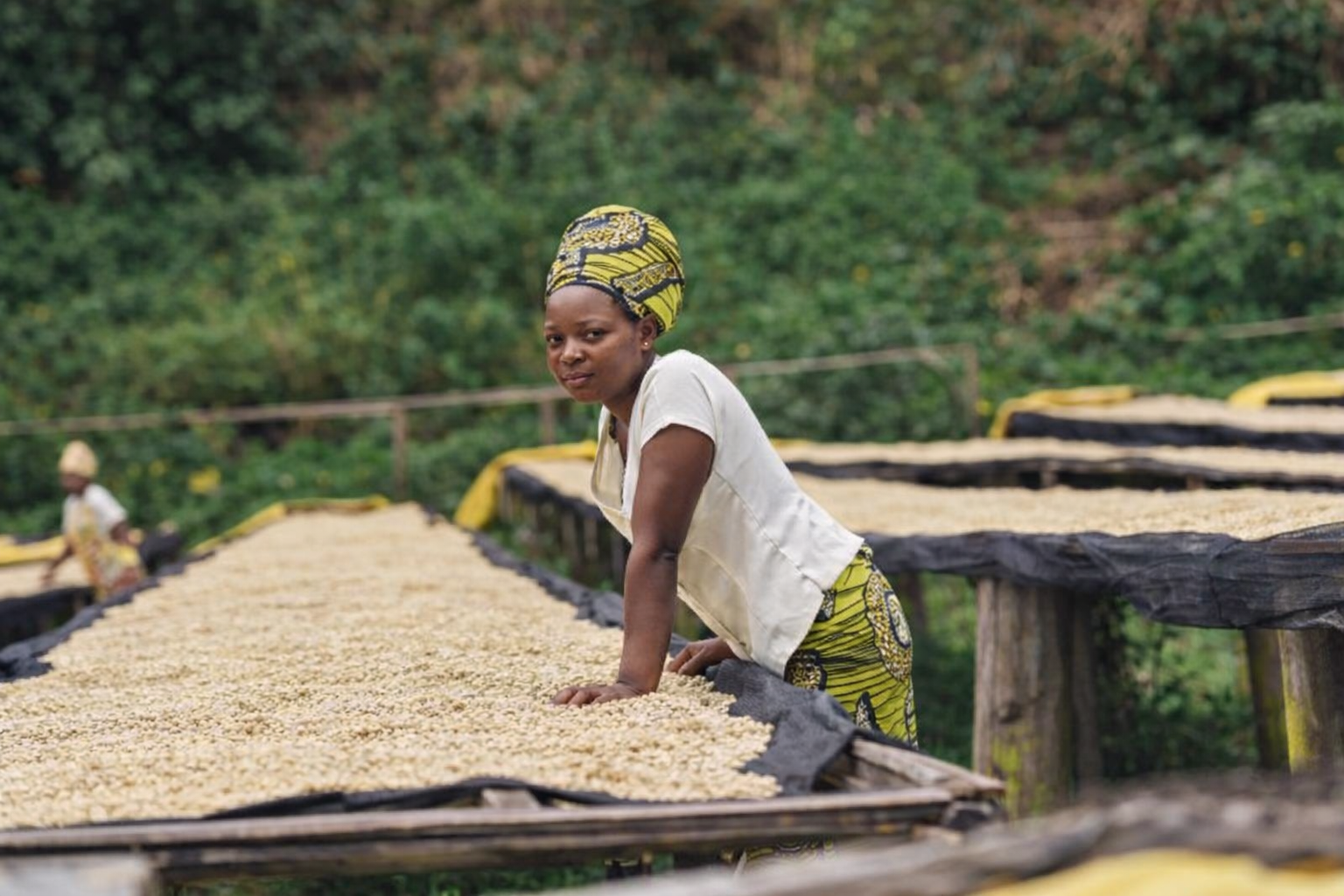
COP30 in Belém highlighted the central role of food systems and farmers in addressing climate change and promoting environmental solutions. As climate risks escalate, smallholder farmers find themselves on the front lines of a battle for resilience and food security—where each season can bring either progress or setback. The Gates Foundation announcement of a USD 1.4 billion global commitment to support smallholder farmers’ climate adaptation underscores both the scale of these challenges and the level of investment required to address them.
This moment raises a critical question: Are our current approaches evidenced enough to deliver triple wins—higher incomes, greater climate resilience, and improved environmental outcomes—for those most in need?
The Climate-Food System Connection
Climate change is making agriculture riskier, especially for households whose main income depends on farming. This is particularly true in low- and middle-income countries (LMICs), where agriculture remains the main source of income for many poor households. Studies estimate that, globally, climate change has slowed agricultural productivity by 21 percent since 1961—impacting farmers most severely in Africa and Latin America, and putting at risk the revenue and incomes of agriculture-dependent households and countries.
At the same time, evidence shows that current agricultural and land-use practices contribute to land degradation, deforestation, and greenhouse gas emissions . This not only exacerbates climate change, but evidence also suggests it can reduce the long-term productivity of land and ecosystems that producers depend on. Difficulties in adopting more sustainable practices and complying with standards (e.g., deforestation-free requirements) may also limit access to environmentally conscious markets and consumers.
Through its Climate and Environment Program (CEP), Innovations for Poverty Action (IPA) and partners are advancing climate-smart agriculture (CSA) solutions to help reverse these trends and achieve “triple wins”: higher incomes, increased resilience, and improved environmental outcomes. CSA includes practices and technologies such as agroforestry, drought-resistant crops, sustainable livestock management, and efficient irrigation. IPA’s CEP prioritizes innovative CSA approaches and promotes research that examines their impacts not only on short-term productivity, but also on long-term income, resilience, and sustainability.
Moving Beyond Promises: Evidence and Impact
Too often, new interventions and technologies often stall because farmers face barriers to adopting them—owing to limited access to information, limited financial options, and entrenched market failures, among others. Even promising innovations, from weather index insurance to regenerative agricultural practices, sometimes struggle to scale among those most vulnerable.
To bridge these gaps, policymakers, funders, and agri-food companies need clear, reliable data on which innovations deliver lasting impacts for both people and the planet. IPA’s Climate and Environment Program (CEP) is guided by its Research and Learning Agenda and tests approaches to understand how different solutions genuinely help farmers adapt and thrive. For example, research implemented by IPA with the Philippine Crop Insurance Corporation (PCIC) offered insurance on randomly assigned plots and found that farmers preferred to insure plots facing higher flood risk. Farmers also invested less in fertilizer on insured plots, which experienced more preventable damage (from pests and crop disease) than natural damage (from floods and typhoons). These findings suggest that information unavailable—at least in part—to insurance providers may be a significant barrier to the effective functioning of crop insurance markets. In Ghana , IPA research showed that short-term financial incentives and peer information increased farmers’ adoption of conservation agriculture practices. Incentivized farmers were 7.6 percent more likely to adopt minimum soil disturbance, 8.3 percentage points more likely to experience production gains, and 7.4 percentage points less likely to return to conventional practices.
This evidence enables donors to direct investments to strategies that achieve a more sustainable and productive sector - true sector level change.
Partnerships and Practical Solutions
Real progress demands more than evidence—it needs partnership and policymakers acting on this evidence. IPA is deepening its partnerships to accelerate food systems transformation across regions. Strategic collaborations with governments and local institutions enable a direct path from evidence to policies that achieve climate resilience and sustainable growth. For example, in Peru, IPA is collaborating with the National Forestry and Wildlife Service (SERFOR) to pilot improvements to a program that promotes agroforestry concessions aimed at achieving adaptation, mitigation, and conservation outcomes. Additionally, in Kenya, IPA has entered a formal agreement with the Ministry of Agriculture and Livestock Development to collaborate on research, evidence generation, and capacity building.
Join us
Building resilient and sustainable food systems requires collaboration, credible evidence, and a focus on solutions that work in practice. CEP continues to build new partnerships with researchers, donors, and practitioners to help close these knowledge gaps and turn proven ideas into action.
If you are a practitioner, policymaker, researcher, donor, or another actor interested in advancing climate and environmental objectives while improving the lives of people living in poverty, we invite you to work with us.