





Events Countries - Any -AfghanistanArgentinaAustraliaBangladeshBarbadosBelizeBeninBoliviaBrazilBurkina FasoBurundiCambodiaCameroonCentral African RepublicChileChinaColombiaCosta RicaCôte d'IvoireDemocratic Republic of CongoDominican RepublicEcuadorEgyptEl SalvadorEl SalvadorEthiopiaFijiFrancophone West AfricaGhanaGlobalGlobal/Flexible LocationGreeceGuatemalaHaitiHondurasIndiaIndonesiaIraqItalyJamaicaJordanKenyaLebanonLiberiaMadagascarMalawiMalaysiaMaliMauritaniaMexicoMongoliaMoroccoMozambiqueMyanmarNamibiaNepalNicaraguaNigerNigeriaPakistanPanamaPapua New GuineaParaguayPeruPhilippinesRussiaRwandaSaudi ArabiaSenegalSierra LeoneSomaliaSouth AfricaSouth SudanSri LankaTajikistanTanzaniaThailandTogoTrinidad and TobagoTurkeyUgandaUnited Arab EmiratesUnited KingdomUnited StatesUruguayUzbekistanVietnamYemenZambia Sectors - Any -AgricultureClimate & EnvironmentEducationEntrepreneurship & Private Sector DevelopmentFinancial InclusionHealth & NutritionHuman TraffickingPeace & RecoverySocial Protection Topics - Any -Access to FinanceAccess to HealthcareAccess to MarketsBehavioral DesignCash TransfersCharitable GivingCivil Service Motivation & ProductivityCommitmentsCommunity ParticipationComplaints RedressConflictConsumer ProtectionCOVID-19CrimeCrisisDebt StressDigital FinanceEarly Childhood DevelopmentEducation QualityElectoral ParticipationEnvironmentFamily Planning & Contraceptive UseFinancial CapabilityFood SecurityForced DisplacementFraudHealthcare QualityHIV/AIDSHuman Capital & SkillsImmunizationIncentivesInformation & Communications Technology (ICT)InsuranceIntimate Partner ViolenceLivelihoodsMalariaMaternal & Child HealthMethods & MeasurementMicrocreditMicroenterpriseMigrationMobile HealthNutritionPaymentsPost-Primary EducationPrice TransparencyPrivate HealthcareProduct DesignProduct PricingRemindersRemittancesRural FinanceSavingsSchool AttendanceTechnology AdoptionTraining & MentoringTransparency & AccountabilityUltra PoorViolenceVocational TrainingWASHWomen & GirlsYouth There are currently no upcoming events. Past Events May 10 IPA Zambia Presents at the 2017 IATT Symposium and Members Meeting on Education and School Health Apr 10 Impact Workshop Series on Education in Ghana IPA researcher Professor Pascaline Dupas presented the results of her research project on the impact of free secondary education in Ghana.Around 80 attendees (mostly researchers and students) came to this event and were able to discuss these results with her. Mar 28 Ghana Education Evidence Summit 2017 Towards Quality Education in Ghana: Using Evidence to Achieve Better Learning Outcomes Co-Hosted with the Ministry of Education, GhanaIntroductionBetter utilization of evidence in policy and practice can improve learning outcomes. In the last decade, rigorous field research has yielded a number of important lessons on how to improve learning outcomes.However, existing evidence and its implications for policy decisions are not always readily known among policymakers and practitioners.Meaningful engagement between researchers and policymakers remains limited. Pagination First page « First Previous page ‹ Previous … Page 25 Page 26 Current page 27 Page 28 Page 29 Page 30 … Next page Next › Last page Last »
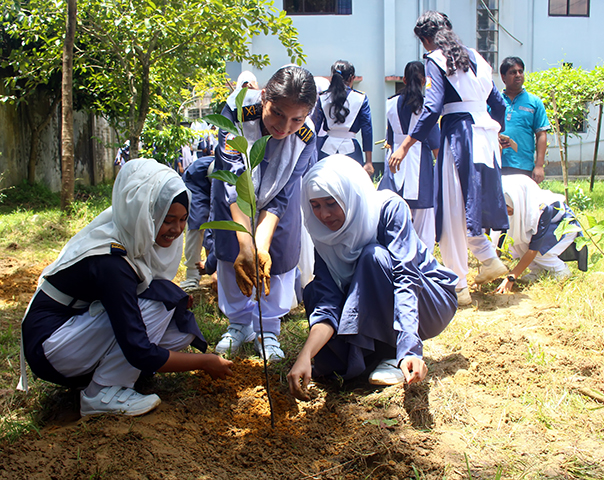
May 10 IPA Zambia Presents at the 2017 IATT Symposium and Members Meeting on Education and School Health
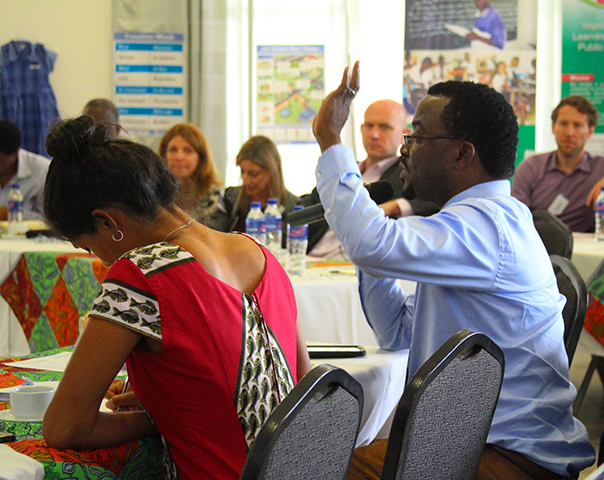
Apr 10 Impact Workshop Series on Education in Ghana IPA researcher Professor Pascaline Dupas presented the results of her research project on the impact of free secondary education in Ghana.Around 80 attendees (mostly researchers and students) came to this event and were able to discuss these results with her.
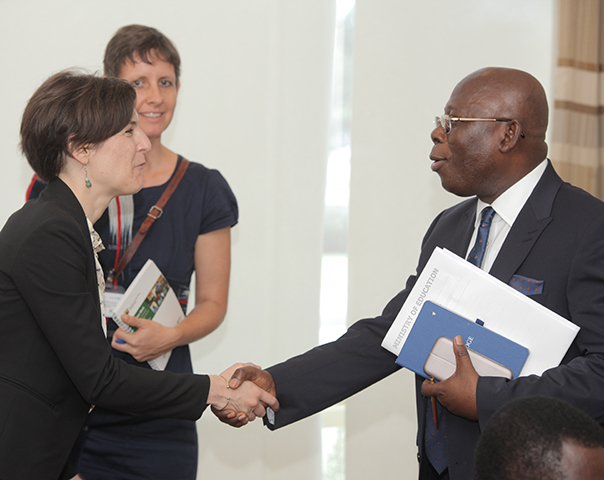
Mar 28 Ghana Education Evidence Summit 2017 Towards Quality Education in Ghana: Using Evidence to Achieve Better Learning Outcomes Co-Hosted with the Ministry of Education, GhanaIntroductionBetter utilization of evidence in policy and practice can improve learning outcomes. In the last decade, rigorous field research has yielded a number of important lessons on how to improve learning outcomes.However, existing evidence and its implications for policy decisions are not always readily known among policymakers and practitioners.Meaningful engagement between researchers and policymakers remains limited.