
Events Countries - Any -AfghanistanArgentinaAustraliaBangladeshBarbadosBelizeBeninBoliviaBrazilBurkina FasoBurundiCambodiaCameroonCentral African RepublicChileChinaColombiaCosta RicaCôte d'IvoireDemocratic Republic of CongoDominican RepublicEcuadorEgyptEl SalvadorEl SalvadorEthiopiaFijiFrancophone West AfricaGhanaGlobalGlobal/Flexible LocationGreeceGuatemalaHaitiHondurasIndiaIndonesiaIraqItalyJordanKenyaLebanonLiberiaMadagascarMalawiMalaysiaMaliMauritaniaMexicoMongoliaMoroccoMozambiqueMyanmarNamibiaNepalNicaraguaNigerNigeriaPakistanPanamaPapua New GuineaParaguayPeruPhilippinesRussiaRwandaSaudi ArabiaSenegalSierra LeoneSomaliaSouth AfricaSouth SudanSri LankaTajikistanTanzaniaThailandTogoTrinidad and TobagoTurkeyUgandaUnited Arab EmiratesUnited KingdomUnited StatesUruguayUzbekistanVietnamYemenZambia Sectors - Any -AgricultureClimate & EnvironmentEducationEntrepreneurship & Private Sector DevelopmentFinancial InclusionHealth & NutritionHuman TraffickingPeace & RecoverySocial Protection Topics - Any -Access to FinanceAccess to HealthcareAccess to MarketsBehavioral DesignCash TransfersCharitable GivingCivil Service Motivation & ProductivityCommitmentsCommunity ParticipationComplaints RedressConflictConsumer ProtectionCOVID-19CrimeCrisisDebt StressDigital FinanceEarly Childhood DevelopmentEducation QualityElectoral ParticipationEnvironmentFamily Planning & Contraceptive UseFinancial CapabilityFood SecurityForced DisplacementFraudHealthcare QualityHIV/AIDSHuman Capital & SkillsImmunizationIncentivesInformation & Communications Technology (ICT)InsuranceIntimate Partner ViolenceLivelihoodsMalariaMaternal & Child HealthMethods & MeasurementMicrocreditMicroenterpriseMigrationMobile HealthNutritionPaymentsPost-Primary EducationPrice TransparencyPrivate HealthcareProduct DesignProduct PricingRemindersRemittancesRural FinanceSavingsSchool AttendanceTechnology AdoptionTraining & MentoringTransparency & AccountabilityUltra PoorViolenceVocational TrainingWASHWomen & GirlsYouth No results found, please search again. Past Events Apr 29 Brown Bag: Graduation of the Ultra Poor in the Philippines On April 29th, IPA Philippines hosted a Brown Bag on the Graduation of the Ultra Poor Program for the Department of Social Welfare and Development (DSWD).Director Gil Dennis Raposa of the DSWD Sustainable Livelihoods Program (SLP) was in attendance, along with other program staff.The SLP is one of the three core programs of the DSWD that provides micro-enterprise development and employment facilitation to the poor.During the brown bag, the participants noted the value of packaging and sequencing social protection interventions.Particular to their program, they are interested in integrating one-on-one life skills coaching and mandatory savings. Apr 21 Evidence of Impact and Lessons learned: Implementation of Poverty Graduation Programs in Kenya and the Drylands of Africa Despite the global progress made in reducing the number of people living in poverty, more than 1.3 billion people around the world still live in extreme poverty.According to the World Bank’s Global Monitoring Report, extreme poverty rates have actually increased in Sub-Saharan Africa.The percentage of people living on less than $1.25 a day in sub-Saharan Africa (41%) is more than twice as high as any other region (such as Southern Asia, with 17%) and the region continues to lag behind in meeting the global commitment on poverty reduction. Dec 09 Impact Evaluation: A Methodological View of the Advances in Social Protection in the Past Decade in the Dominican Republic Pagination First page « First Previous page ‹ Previous … Page 19 Page 20 Page 21 Current page 22 Page 23 Page 24 Next page Next › Last page Last »
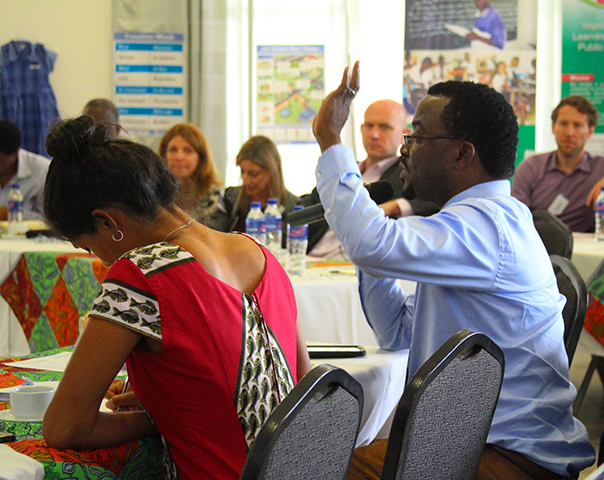
Apr 29 Brown Bag: Graduation of the Ultra Poor in the Philippines On April 29th, IPA Philippines hosted a Brown Bag on the Graduation of the Ultra Poor Program for the Department of Social Welfare and Development (DSWD).Director Gil Dennis Raposa of the DSWD Sustainable Livelihoods Program (SLP) was in attendance, along with other program staff.The SLP is one of the three core programs of the DSWD that provides micro-enterprise development and employment facilitation to the poor.During the brown bag, the participants noted the value of packaging and sequencing social protection interventions.Particular to their program, they are interested in integrating one-on-one life skills coaching and mandatory savings.
Apr 21 Evidence of Impact and Lessons learned: Implementation of Poverty Graduation Programs in Kenya and the Drylands of Africa Despite the global progress made in reducing the number of people living in poverty, more than 1.3 billion people around the world still live in extreme poverty.According to the World Bank’s Global Monitoring Report, extreme poverty rates have actually increased in Sub-Saharan Africa.The percentage of people living on less than $1.25 a day in sub-Saharan Africa (41%) is more than twice as high as any other region (such as Southern Asia, with 17%) and the region continues to lag behind in meeting the global commitment on poverty reduction.
Dec 09 Impact Evaluation: A Methodological View of the Advances in Social Protection in the Past Decade in the Dominican Republic