


-
-
-
-
-
Zimbabwe
-
Togo
-
South Africa
-
Senegal
-
Panama
-
Niger
-
Nicaragua
-
Mozambique
-
Morocco
-
Honduras
-
Guinea-Bissau
-
Guatemala
-
Ethiopia
-
El Salvador
-
Costa Rica
-
Belize
-
Bangladesh
-
Paraguay
Opened in 2008 & partners with the Government on evidence-based policies.
Learn More >> -
-
-
-
-
-
-
Peru
Opened in 2003, one of the first IPA offices.
Learn More >> -
Nigeria
Opened in 2019, Nigeria is one of our newest country offices.
Learn More >> -
Myanmar
Opened in 2015 & works in the sectors of social protection, health, & more.
Learn More >> -
Kenya
Opened in 2006 with administrative offices in Nairobi & Busia.
Learn More >> -
Mexico
Opened in 2017 & works in the areas of security, climate change mitigation, & more.
Learn More >> -
Mali
Opened in 2010 to explore solutions in agriculture, education, & health.
Learn More >> -
Malawi
Opened in 2010 & focuses on agriculture, financial inclusion, & more.
Learn More >> -
Liberia
Opened in 2010 & has partnerships in peace and recovery & other sectors.
Learn More >> -
Ghana
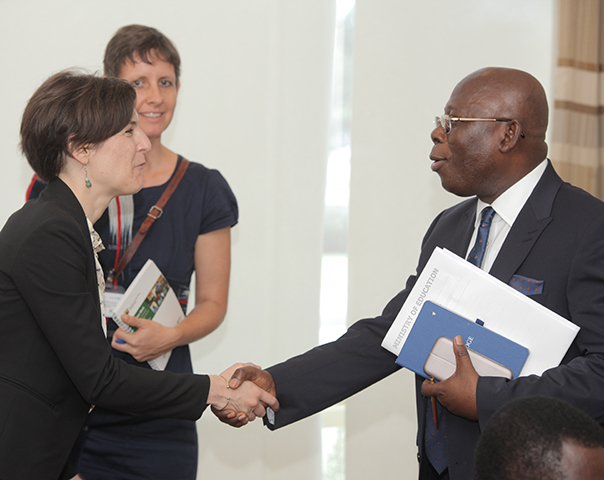
Opened in 2008 & runs an Embedded Lab with the Ministry of Education.
Learn More >> -
Dominican Republic
IPA started working in the Dominican Republic in 2006.
Learn More >> -
Côte d’Ivoire
Opened in 2016 & has two Embedded Labs with Government ministries.
Learn More >> -
Colombia
Opened in 2014 & runs ConsultIPA, a pro-bono M&E consultancy.
Learn More >> -
Burkina Faso
Opened in 2013 & now part of the Francophone West Africa Regional Office.
Learn More >>
People of IPA
 For Practitioners
We support organizations to generate, interpret, and apply evidence to understand what's working, what's not, and how to make a bigger impact.
Learn More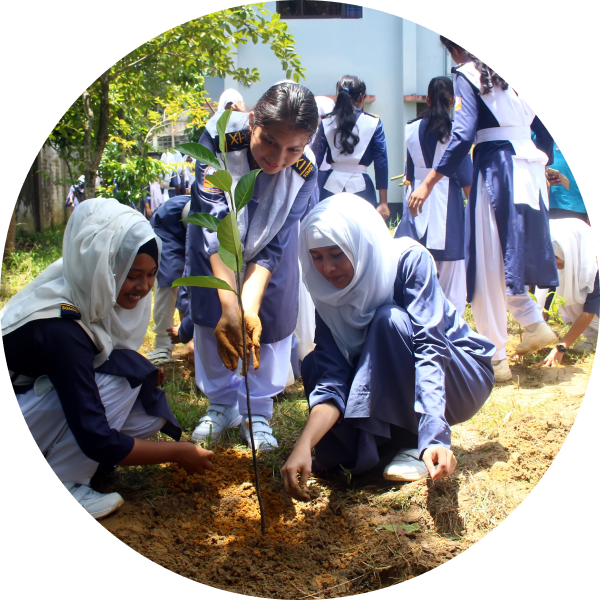 For Donors
Your investment supports our work to ensure evidence is used for effective poverty alleviation programs that deliver the most impact per dollar.
Learn More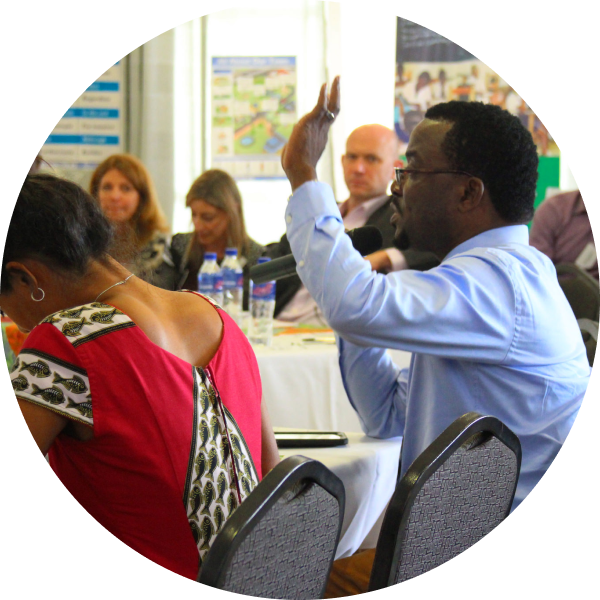 For Researchers
We provide world-class support to researchers at every stage of a study from fundraising to project management, to sharing results with the world.
Learn More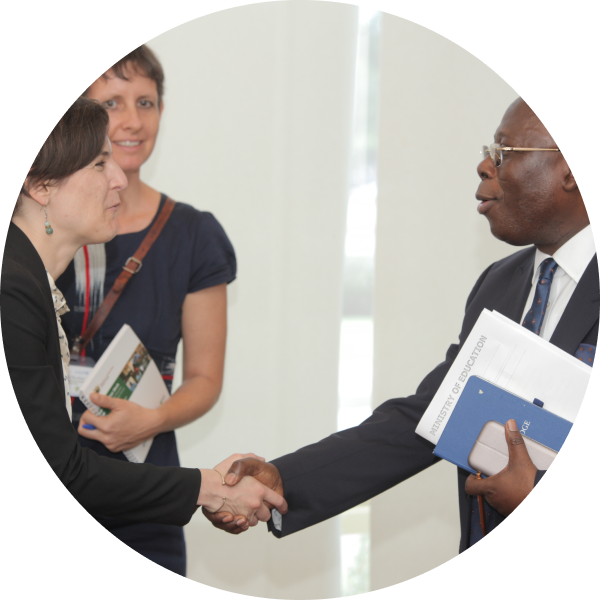 For Policymakers
We support organizations to generate, interpret, and apply evidence to understand what's working, what's not, and how to make a bigger impact.
Learn More
For Practitioners
We support organizations to generate, interpret, and apply evidence to understand what's working, what's not, and how to make a bigger impact.
Learn More
For Donors
Your investment supports our work to ensure evidence is used for effective poverty alleviation programs that deliver the most impact per dollar.
Learn More
For Researchers
We provide world-class support to researchers at every stage of a study from fundraising to project management, to sharing results with the world.
Learn More
For Policymakers
We support organizations to generate, interpret, and apply evidence to understand what's working, what's not, and how to make a bigger impact.
Learn More